Author name
FIVE WAYS TO MEASURE PROGRESS
That aren’t your weight!
You’ve been hitting your step count everyday, eating your veggies, drinking your water and smashing your ANT sessions… and the scale just isn’t budging. What gives?
Truth be told, weight has never been a great measurement for fitness and strength improvements. It’s time to forget those numbers on your bathroom scale – there are so many other ways to measure those hard-earned gains!
Body composition changes
Even if the scale isn’t showing any change (or even going up!) there could be changes in your body fat percentage and muscle mass. These two measurements give a much better picture of results from training and nutrition than just looking at weight alone. Our InBody scanner can tell you where you currently stand and track your progress over time (ask our coaches if you haven’t already hopped on the scanner!). Consistency is the best way to see results here – with both your training and nutrition!
The way your clothes fit
The changes in body composition often mean your body now carries fat and muscle in a different way – meaning your shape may have changed in more ways than one. Measurements like waist and hip circumferences are one way to track this, but another way is with your clothes. As you get fitter and stronger, you may notice your clothes feeling looser, or simply just feeling better on!
Better mental health
Many of us don’t go to the gym just for physical benefits, but rather to enjoy exercise as stress relief. Progress in the gym can be measured by how much better you feel mentally for having gotten your workout in! Many of our ANTers say the main reason they train is to clear their minds and be in a better mood for their family, friends and colleagues. Especially for those with a hectic work and/or family life, time in the gym is about having time out and blowing off some steam before heading back into the chaos.
Increased energy and confidence
Another sign of progress is feeling more confident in yourself. Often, improvements in strength and fitness in the gym translate to feeling awesome outside the gym – how good is that? Along with this newfound confidence, you may find you have more energy throughout the day to tackle work and family commitments.
Improved strength and form
As coaches it’s incredible to watch everyone progress with their technique and challenge themselves with heavier weights. This is a great way to measure progress if your focus is on improving your skills and learning how to move well. During your next session, think about when you first started training and how foreign some of the exercises felt, and how heavy the weights felt – and compare that to how you feel now!
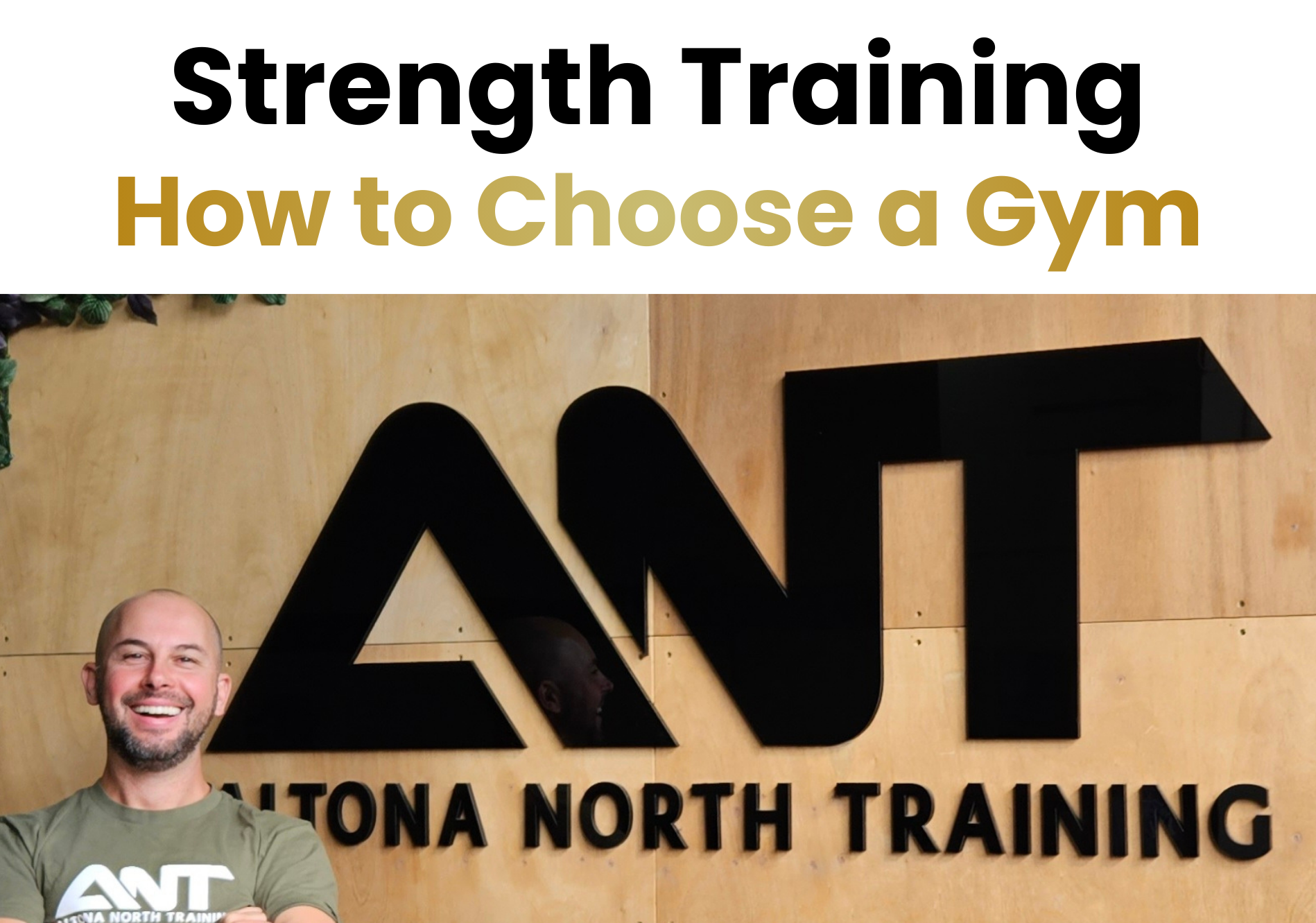
If you’re searching for strength training in Altona North, you’ve probably already realised there are plenty of options out there. The hard part usually isn’t finding a gym, it’s finding the right fit. A quality gym should do more than give you access to equipment. It should help you train safely, make steady progress, and feel supported enough to stay consistent. At Altona North Training (ANT), we work with a lot of adults who want more than random workouts. They want structure, coaching, and a place where they feel comfortable asking questions and progressing at their own pace. So if you’re comparing gyms in Altona North, Newport, South Kingsville, Brooklyn, or nearby suburbs, here’s what I’d look for. 1. Coaching matters more than equipment alone A gym can have all the racks, barbells, dumbbells, and machines in the world, but if there’s no quality coaching behind it, most people end up guessing. That usually leads to one of two things: doing the same workouts over and over without progressing pushing too hard, too soon, and ending up sore, frustrated, or injured A quality gym should have coaches who can: teach proper technique modify exercises when needed explain why you’re doing what you’re doing help you progress over time This is especially important if you’re: over 35 getting back into fitness after a break managing old injuries wanting a more structured approach 2. Look for a gym with a clear training plan One of the biggest signs of a quality gym is programming. Good training should not feel random. You should be able to see how your training builds over time. That might mean: repeating key movement patterns regularly progressing weights or reps gradually following a structured cycle having a clear focus for each phase of training At ANT, we use 12-week training cycles because they give people a clear path to follow. Instead of guessing what to do each session, members train with progression in mind. That matters because results come from consistency and progression, not from constantly changing exercises just to make things feel different. 3. A good gym should make strength training feel approachable A lot of people want to get stronger, but feel intimidated by gym culture. That’s why environment matters. A quality gym should feel: welcoming supportive professional down-to-earth You should be able to walk in and feel like: you’re not being judged you don’t need to already be fit to belong there you can ask questions someone will actually help you This is a big one for adults returning after time off. If the environment feels too intense or impersonal, it’s much harder to stay consistent. 4. Personalisation still matters in group training A lot of people assume group training means everyone gets the same workout, no matter their experience, injuries, or goals. That’s not how quality group coaching should work. A good group training gym should still offer: exercise modifications coaching feedback attention to technique options for different ability levels At ANT, our coaches modify exercises for injuries and limitations, and we keep a close eye on how members are moving. That means people can train in a group setting while still getting individual support. For many people, that’s the sweet spot: more guidance than training alone more energy and accountability than solo sessions more personalisation than a generic class 5. Safety and progression should go together A quality gym doesn’t just push intensity. It should help you progress safely. That means: learning movement patterns properly building confidence before chasing heavier weights progressing gradually adjusting when life stress, sleep, or niggles affect recovery This is where a lot of people get stuck in regular gyms. They either: don’t push enough because they’re unsure what to do or push too much without the right support The best gyms help you find the middle ground: enough challenge to improve, but not so much that you break down. 6. The best gyms educate, not just instruct One thing I think really separates a quality gym is education. You shouldn’t just be told what to do. You should understand: why a movement matters how to progress it what to focus on how to train for long-term results That education builds confidence. It also helps people stay consistent because they understand the bigger picture, not just the workout in front of them. This is a big part of ANT’s approach. We want members to understand the why behind their training, not just tick off a session. 7. Community makes a bigger difference than most people realise People often join a gym for results, but they stay because of how the place feels. A strong gym community helps with: accountability motivation enjoyment consistency That doesn’t mean it has to be loud or over-the-top. It just means people feel supported, known, and encouraged. At ANT, being part of the ANT family matters. Members want coaching, but they also want connection, support, and a place where they feel comfortable showing up regularly. That combination is powerful. 8. A quality gym should support long-term health, not just short-term intensity The best strength training gyms help you think beyond “getting fit quickly.” They help you train for: better energy better movement more strength in daily life long-term health and independence sustainable body composition changes That’s why evidence-based strength training matters so much. It’s not about smashing yourself for a few weeks. It’s about building a stronger body you can rely on for years. How to choose the right gym in Altona North, If I were choosing a gym in Altona North, I’d ask: Do the coaches actually coach? Is there a clear training plan? Can they modify for injuries or limitations? Does the environment feel welcoming? Will this help me stay consistent long term? If the answer is yes to those questions, you’re probably looking at a quality gym. Why this matters if you’re just getting started If you’re new to training, returning after a break, or trying to find the right fit, the gym you choose can make a huge difference. The right environment can help you: build confidence faster avoid the “too much too soon” trap stay more consistent actually enjoy the process And that’s what leads to results. Want help getting started? Get in touch and we’ll guide you.
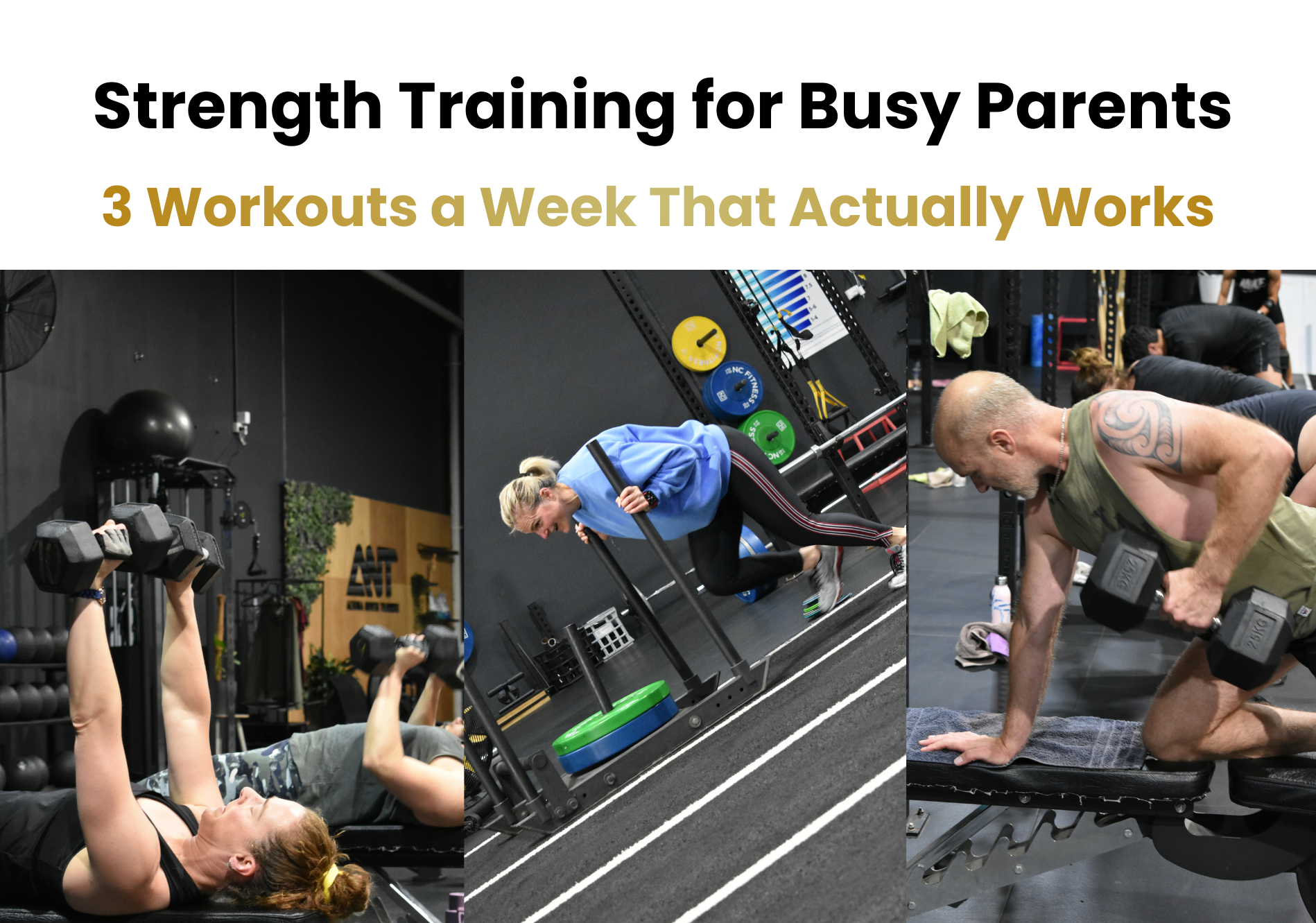
Busy parent in Altona North? Learn how 2–3 strength & conditioning sessions per week can build strength, fitness and consistency, without living in the gym.
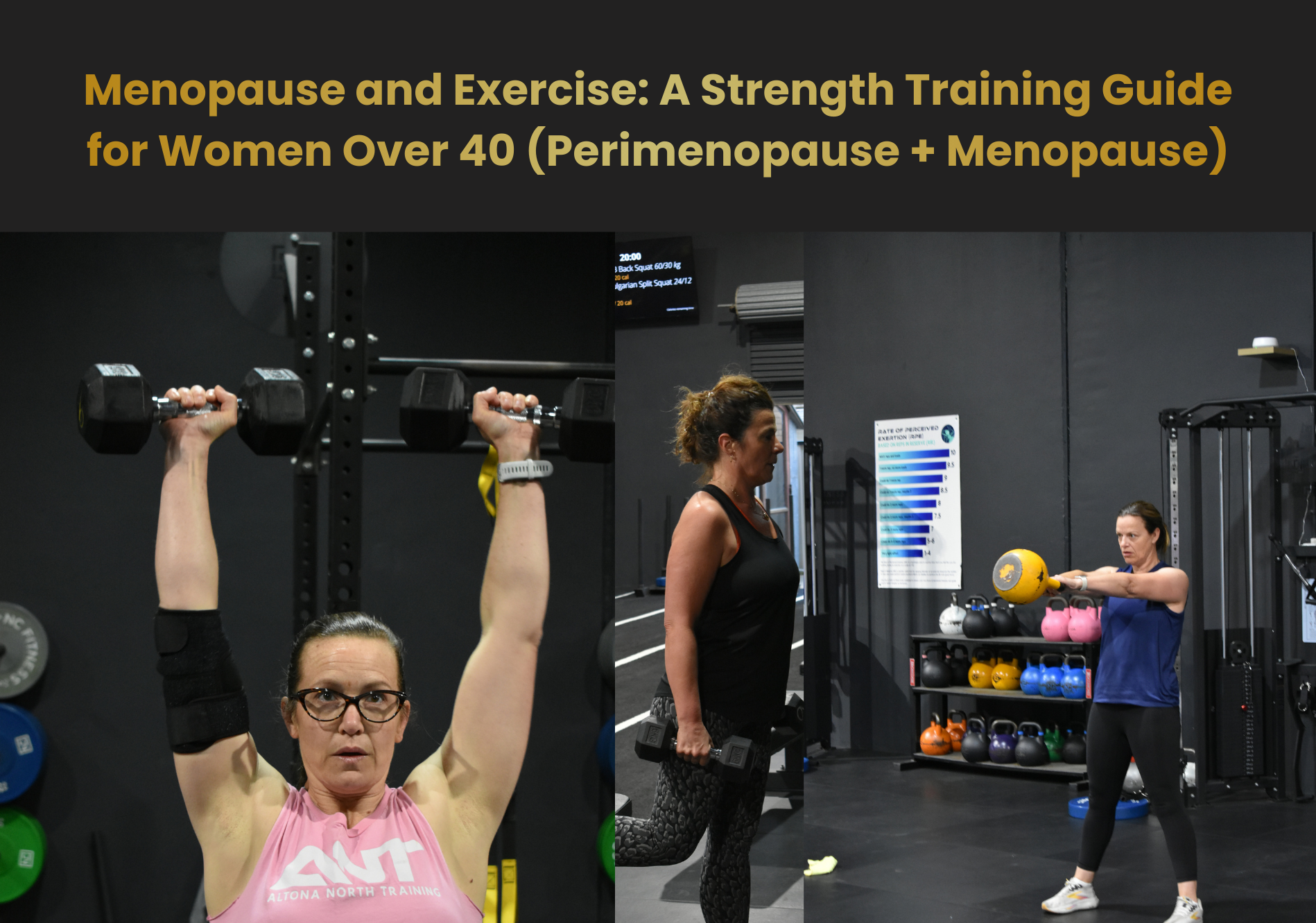
Menopause and exercise made simple. Learn how strength training supports muscle, bone, energy and body composition—plus how to start safely over 40.