
Author name
OVERCOMING GYM INTIMIDATION
Your Guide to Starting Strength Training After a Long Break
Walking into a gym after months or years away from structured exercise can feel overwhelming. You're not alone in feeling this way, and more importantly, that feeling of gym intimidation doesn't mean you don't belong there. It means you're human.
If you're in your 30s, 40s, or 50s and considering returning to fitness, you're actually in the perfect position to build something sustainable. This isn't about recapturing who you were at 25—it's about becoming the strongest, most capable version of yourself right now.
Why Gym Intimidation Is Completely Normal (And Why It Doesn't Define You)
Gym intimidation affects nearly 50% of people returning to exercise after a long break, according to fitness industry research. It's particularly common among people aged 35-49 who are juggling careers, families, and the physical changes that come with aging.
Here's what most people don't realize: that intimidation isn't about the gym itself. It's about the gap between where you are and where you think you "should" be. You're comparing your chapter one to someone else's chapter twenty.
The truth? Everyone in that gym started somewhere. The person lifting heavy weights once struggled with an empty barbell. The person running on the treadmill once got winded walking up stairs. Your starting point is valid, and it's exactly where you're meant to begin.
The Real Reason You're Feeling Intimidated (It's Not What You Think)
Most people assume gym anxiety comes from fear of judgment. While that's part of it, the deeper issue is usually a lack of clarity. When you don't know:
- What exercises to do
- How to use the equipment properly
- Whether you're doing it "right"
- How to modify movements for your body
- What realistic progress looks like
...of course you feel intimidated. Uncertainty breeds anxiety.
This is why education-focused gyms that prioritize the "why" behind training create such different experiences. When you understand what you're doing and why it matters, confidence replaces intimidation naturally.
5 Proven Strategies to Build Fitness Confidence From Day One
1. Start with a structured program, not random workouts
Fitness confidence grows from seeing measurable progress. Random workouts don't provide that. A 12-week structured program with progressive overload gives you clear benchmarks and visible improvement, which builds genuine confidence faster than any motivational quote.
2. Focus on what your body can do, not what it looks like
Shift your metric for success. Instead of "Do I look different?" ask "Can I do more than last week?" Strength training for beginners over 40 should prioritize functional capacity—lifting your groceries easier, playing with your kids without back pain, climbing stairs without getting winded.
3. Ask questions (there are no stupid ones)
Quality coaching means having someone who explains the "why" behind every exercise. If you're wondering why you're doing something, ask. If a movement doesn't feel right, speak up. This isn't school—there's no grade for figuring it out alone.
4. Track your progress beyond the scale
Weight is one data point, but it's not the whole story. Track your energy levels, how your clothes fit, your strength improvements (weights lifted, reps completed), and your consistency (sessions per week). These paint a much clearer picture of your progress.
5. Give yourself permission to modify
Every body is different, and every training history is unique. Modifications aren't failures—they're intelligent training. A good coach will help you scale movements to match your current capacity while still challenging you appropriately.
What to Expect When Starting Strength Training After a Long Break
Let's set realistic expectations, because unrealistic ones kill motivation faster than anything else.
- Week 1-2: You'll likely feel sore (DOMS—delayed onset muscle soreness). This is normal and will decrease as your body adapts. You might feel awkward with movements. Also normal. Your body is relearning patterns.
- Week 3-4: Soreness decreases significantly. Movements start feeling more natural. You'll notice small strength improvements—not because you've built significant muscle yet, but because your nervous system is getting more efficient at recruiting muscle fibres.
- Week 5-8: This is where real confidence builds. You're lifting heavier than week one, movements feel natural, and you start to feel genuinely capable. Energy levels typically improve noticeably here.
- Week 9-12: Visible changes start appearing. Muscle definition, fat loss, improved posture. More importantly, you've built a habit. Exercise is now part of your routine, not something you're "trying."
The key insight: Progress isn't linear. Some weeks you'll feel amazing. Others, you'll feel tired or stuck. This is normal human physiology, not a reflection of your effort or potential.
Why Strength Training Is the Best Choice for Long-Term Results
If you're returning to exercise after years off, you might be wondering: why strength training specifically?
Here's the science: after age 30, we lose approximately 3-8% of muscle mass per decade. This accelerates after 60. This muscle loss (sarcopenia) is directly linked to decreased metabolic rate, increased injury risk, reduced bone density, and loss of independence in later years.
Strength training is the only form of exercise that directly counteracts this process. It builds muscle, increases bone density, improves metabolic health, and enhances functional capacity for daily life.
For people in their 40s and 50s, strength training isn't just about aesthetics—it's about maintaining independence, vitality, and quality of life for decades to come.
How to Choose the Right Gym When You're Starting Over
Not all gyms are created equal, especially when you're overcoming gym intimidation and starting fresh. Here's what to look for:
- Coaching qualifications and experience: Look for coaches with formal qualifications and significant experience. Combined decades of experience across a coaching team means they've seen every body type, injury history, and fitness level.
- Personalized programming within group settings: The best value comes from gyms that offer group training with individualized modifications.
- Education-focused approach: If a gym just tells you what to do without explaining why, you'll never build independent fitness knowledge.
- Appropriate class sizes: Smaller classes (capped around 12-16 per coach) ensure you get proper attention and form correction.
- Progress tracking systems: Gyms that track your body composition, strength progress, and attendance demonstrate they care about your results.
- Trial period or challenge programs: Quality gyms offer ways to test the experience before committing long-term.
- Location and convenience: A gym that's 5 minutes from home will always win over a "perfect" gym that's 30 minutes away.
You're Not Starting Over—You're Starting Smarter
Here's the advantage you have now that you didn't have in your 20s: perspective. You understand that quick fixes don't work. You value sustainability over intensity. You're willing to invest in doing things properly.
Gym intimidation fades when you realize the gym isn't a place for perfect people—it's a place where people become stronger versions of themselves. Every rep, every session, every week you show up, you're building not just muscle, but confidence, capability, and a foundation for the next chapter of your life.
The best time to start was ten years ago. The second best time is today.
If you're in Melbourne's west and ready to start strength training with expert coaching, structured programming, and a community that understands exactly where you're starting from, we'd love to meet you. At Altona North Training, we specialize in helping people aged 35-55 return to fitness with confidence, education, and sustainable results.
If you’re searching for strength training in Altona North, you’ve probably already realised there are plenty of options out there. The hard part usually isn’t finding a gym, it’s finding the right fit. A quality gym should do more than give you access to equipment. It should help you train safely, make steady progress, and feel supported enough to stay consistent. At Altona North Training (ANT), we work with a lot of adults who want more than random workouts. They want structure, coaching, and a place where they feel comfortable asking questions and progressing at their own pace. So if you’re comparing gyms in Altona North, Newport, South Kingsville, Brooklyn, or nearby suburbs, here’s what I’d look for. 1. Coaching matters more than equipment alone A gym can have all the racks, barbells, dumbbells, and machines in the world, but if there’s no quality coaching behind it, most people end up guessing. That usually leads to one of two things: doing the same workouts over and over without progressing pushing too hard, too soon, and ending up sore, frustrated, or injured A quality gym should have coaches who can: teach proper technique modify exercises when needed explain why you’re doing what you’re doing help you progress over time This is especially important if you’re: over 35 getting back into fitness after a break managing old injuries wanting a more structured approach 2. Look for a gym with a clear training plan One of the biggest signs of a quality gym is programming. Good training should not feel random. You should be able to see how your training builds over time. That might mean: repeating key movement patterns regularly progressing weights or reps gradually following a structured cycle having a clear focus for each phase of training At ANT, we use 12-week training cycles because they give people a clear path to follow. Instead of guessing what to do each session, members train with progression in mind. That matters because results come from consistency and progression, not from constantly changing exercises just to make things feel different. 3. A good gym should make strength training feel approachable A lot of people want to get stronger, but feel intimidated by gym culture. That’s why environment matters. A quality gym should feel: welcoming supportive professional down-to-earth You should be able to walk in and feel like: you’re not being judged you don’t need to already be fit to belong there you can ask questions someone will actually help you This is a big one for adults returning after time off. If the environment feels too intense or impersonal, it’s much harder to stay consistent. 4. Personalisation still matters in group training A lot of people assume group training means everyone gets the same workout, no matter their experience, injuries, or goals. That’s not how quality group coaching should work. A good group training gym should still offer: exercise modifications coaching feedback attention to technique options for different ability levels At ANT, our coaches modify exercises for injuries and limitations, and we keep a close eye on how members are moving. That means people can train in a group setting while still getting individual support. For many people, that’s the sweet spot: more guidance than training alone more energy and accountability than solo sessions more personalisation than a generic class 5. Safety and progression should go together A quality gym doesn’t just push intensity. It should help you progress safely. That means: learning movement patterns properly building confidence before chasing heavier weights progressing gradually adjusting when life stress, sleep, or niggles affect recovery This is where a lot of people get stuck in regular gyms. They either: don’t push enough because they’re unsure what to do or push too much without the right support The best gyms help you find the middle ground: enough challenge to improve, but not so much that you break down. 6. The best gyms educate, not just instruct One thing I think really separates a quality gym is education. You shouldn’t just be told what to do. You should understand: why a movement matters how to progress it what to focus on how to train for long-term results That education builds confidence. It also helps people stay consistent because they understand the bigger picture, not just the workout in front of them. This is a big part of ANT’s approach. We want members to understand the why behind their training, not just tick off a session. 7. Community makes a bigger difference than most people realise People often join a gym for results, but they stay because of how the place feels. A strong gym community helps with: accountability motivation enjoyment consistency That doesn’t mean it has to be loud or over-the-top. It just means people feel supported, known, and encouraged. At ANT, being part of the ANT family matters. Members want coaching, but they also want connection, support, and a place where they feel comfortable showing up regularly. That combination is powerful. 8. A quality gym should support long-term health, not just short-term intensity The best strength training gyms help you think beyond “getting fit quickly.” They help you train for: better energy better movement more strength in daily life long-term health and independence sustainable body composition changes That’s why evidence-based strength training matters so much. It’s not about smashing yourself for a few weeks. It’s about building a stronger body you can rely on for years. How to choose the right gym in Altona North, If I were choosing a gym in Altona North, I’d ask: Do the coaches actually coach? Is there a clear training plan? Can they modify for injuries or limitations? Does the environment feel welcoming? Will this help me stay consistent long term? If the answer is yes to those questions, you’re probably looking at a quality gym. Why this matters if you’re just getting started If you’re new to training, returning after a break, or trying to find the right fit, the gym you choose can make a huge difference. The right environment can help you: build confidence faster avoid the “too much too soon” trap stay more consistent actually enjoy the process And that’s what leads to results. Want help getting started? Get in touch and we’ll guide you.
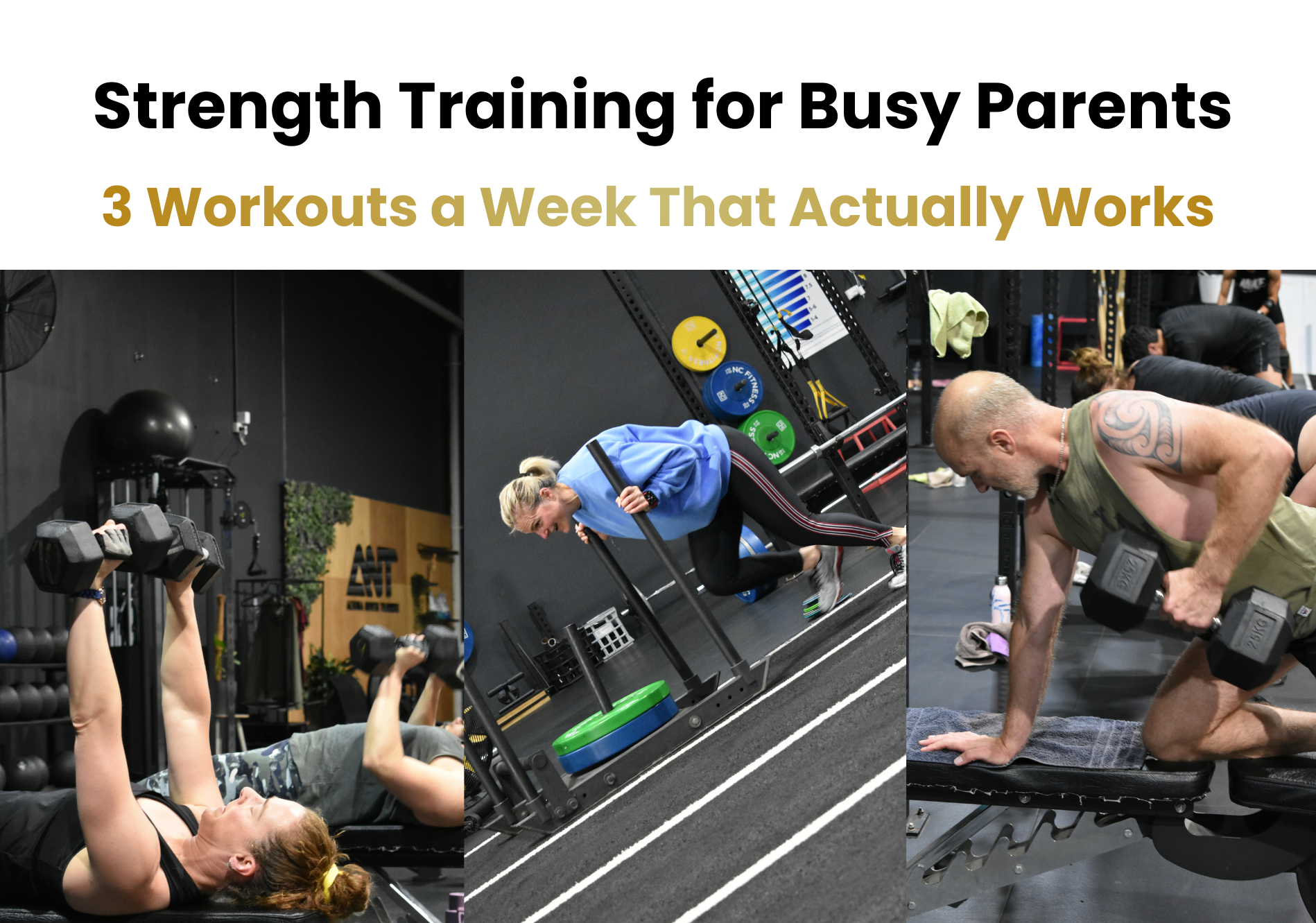
Busy parent in Altona North? Learn how 2–3 strength & conditioning sessions per week can build strength, fitness and consistency, without living in the gym.
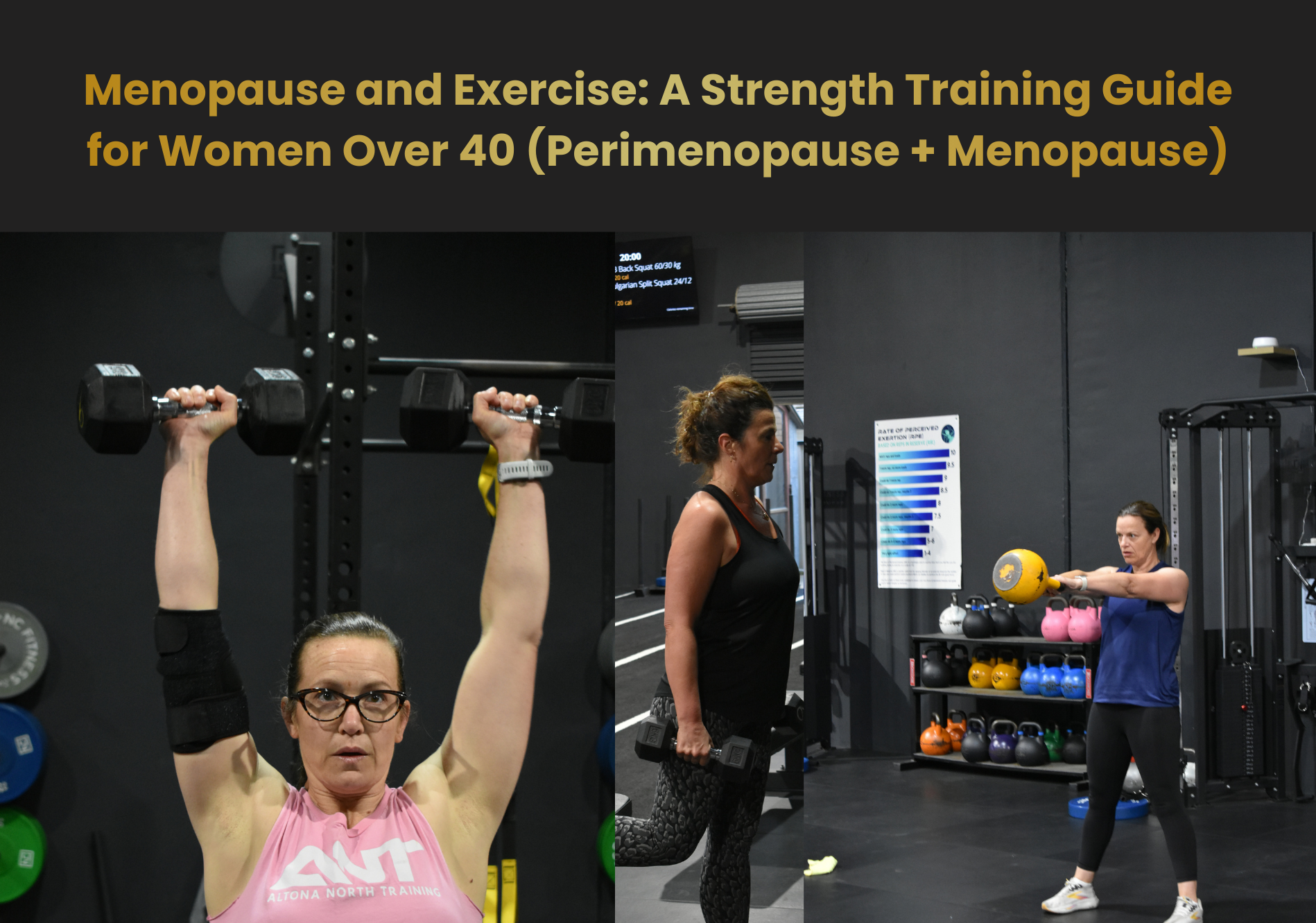
Menopause and exercise made simple. Learn how strength training supports muscle, bone, energy and body composition—plus how to start safely over 40.